Learning Outcomes:
i. Define pulmonary and systemic circulation, explaining their roles in the overall circulatory system.
ii. Describe the path of blood through the pulmonary circuit, including the heart, lungs, and pulmonary arteries and veins.
iii. Explain the function of the pulmonary circuit in gas exchange, removing carbon dioxide and absorbing oxygen.
iv. Discuss the path of blood through the systemic circuit, including the heart, aorta, and systemic arteries and veins.
v. Recognize the significance of the systemic circuit in delivering oxygenated blood to all body tissues and returning deoxygenated blood to the heart.
i. The Pulmonary Circuit: A Breath of Fresh Air
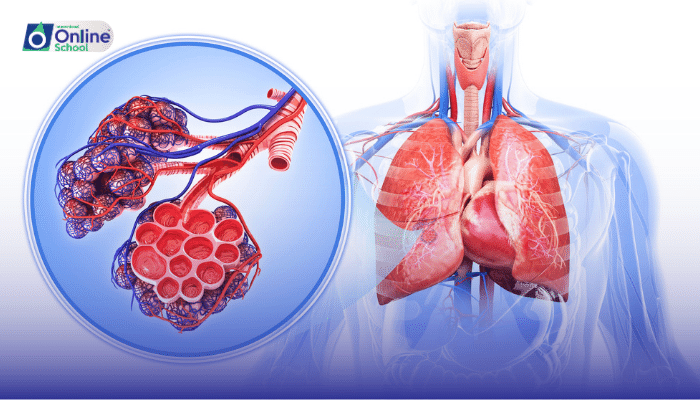
The pulmonary circuit, also known as the lesser circulation, is a closed-loop circulatory pathway that transports deoxygenated blood from the right ventricle of the heart to the lungs, where it picks up oxygen and releases carbon dioxide, and then returns oxygenated blood to the left atrium of the heart.
ii. The Journey of Deoxygenated Blood to the Lungs
Right Ventricle: The deoxygenated blood-filled right ventricle contracts, pumping the blood into the pulmonary arteries.
Pulmonary Arteries: The pulmonary arteries carry the deoxygenated blood away from the right ventricle towards the lungs.
Lungs: In the lungs, the blood flows through the capillaries surrounding the tiny air sacs, the alveoli. Gas exchange occurs across the thin walls of the alveoli, allowing carbon dioxide to diffuse from the blood into the air and oxygen to diffuse from the air into the blood.
Pulmonary Veins: The oxygenated blood collects in the pulmonary veins, which carry it back towards the left atrium of the heart.
iii. The Systemic Circuit: Delivering Oxygen to Every Cell
The systemic circuit, also known as the greater circulation, is a closed-loop circulatory pathway that transports oxygenated blood from the left ventricle of the heart to all body tissues and organs, delivering oxygen and nutrients and collecting waste products, and then returns deoxygenated blood to the right atrium of the heart.
iv. The Journey of Oxygenated Blood to the Body
Left Ventricle: The oxygenated blood-filled left ventricle contracts, pumping the blood into the aorta.
Aorta: The aorta, the largest artery in the body, carries the oxygenated blood away from the left ventricle towards the body tissues and organs.
Systemic Arteries: The aorta branches into smaller arteries, which further divide into arterioles, delivering oxygenated blood to the capillaries in all body tissues and organs.
Capillaries: In the capillaries, gas and nutrient exchange occurs across the thin capillary walls, allowing oxygen, nutrients, and waste products to pass between the blood and the surrounding tissues.
Systemic Veins: The deoxygenated blood collects in the systemic veins, which carry it back towards the right atrium of the heart.
v. Special Circulations: Unique Pathways for Specific Organs
Coronary Circulation: The coronary circulation supplies oxygenated blood to the heart muscle itself. The coronary arteries branch off the aorta near its origin and deliver blood to the heart muscle.
Hepatic-Portal Circulation: The hepatic-portal circulation is a unique pathway that carries blood from the digestive organs to the liver for processing and then back to the systemic circulation.
Renal Circulation: The renal circulation supplies oxygenated blood to the kidneys, which filter waste products from the blood and produce urine. Blood enters the kidneys through renal arteries and exits through renal veins.
Significance of Pulmonary and Systemic Circulation: A Life-Sustaining Symphony
Pulmonary and systemic circulation are essential for life, working together to ensure the continuous delivery of oxygenated blood to all body tissues and organs and the removal of waste products:
Efficient gas exchange: The pulmonary circuit facilitates gas exchange in the lungs, removing carbon dioxide and absorbing oxygen, ensuring a constant supply of oxygen to the body.
Nutrient delivery and waste removal: The systemic circuit delivers oxygenated blood, nutrients, and hormones to all body tissues and organs and removes waste products, including carbon dioxide and metabolic byproducts.
The pulmonary and systemic circuits form the intricate network of blood vessels that transport blood throughout the body, ensuring the continuous supply of oxygen and nutrients to all cells and the removal of waste products. Understanding the pathways, functions, and significance of these circulatory circuits provides valuable insights into the intricate workings of the cardiovascular system and its vital role in sustaining life.
